

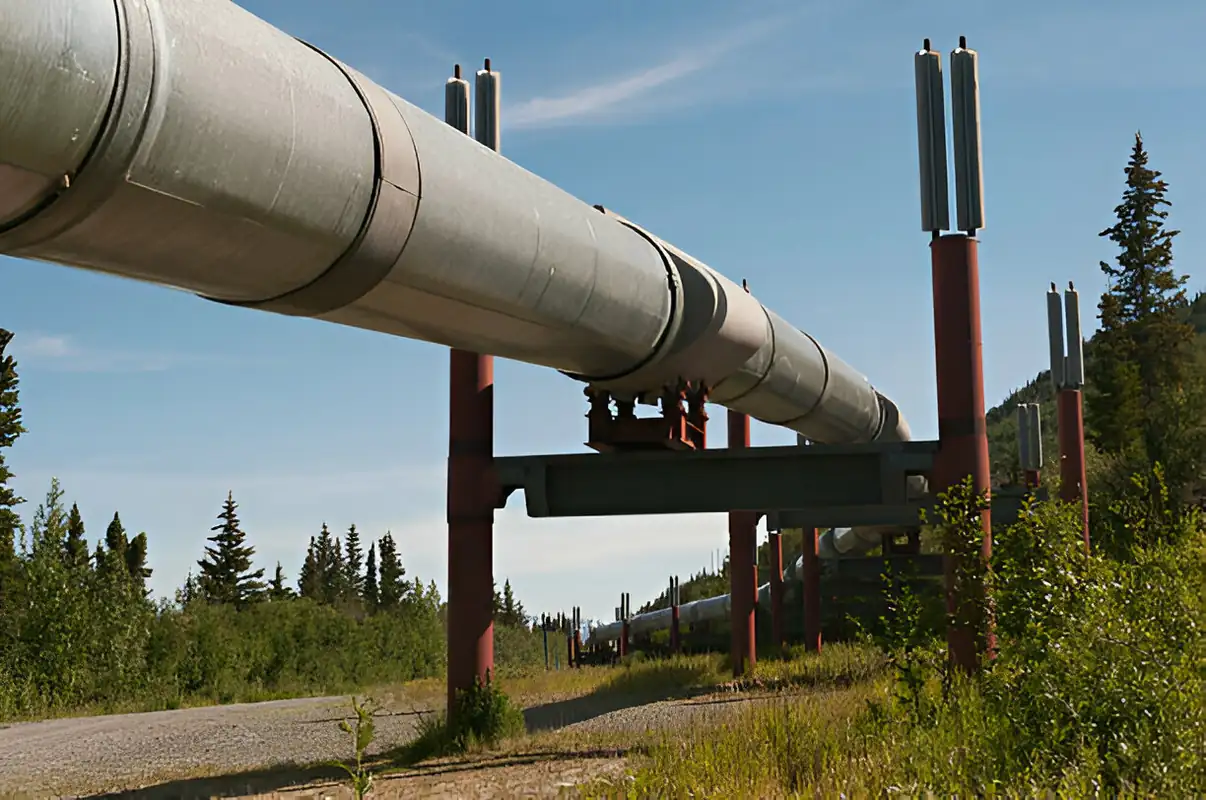
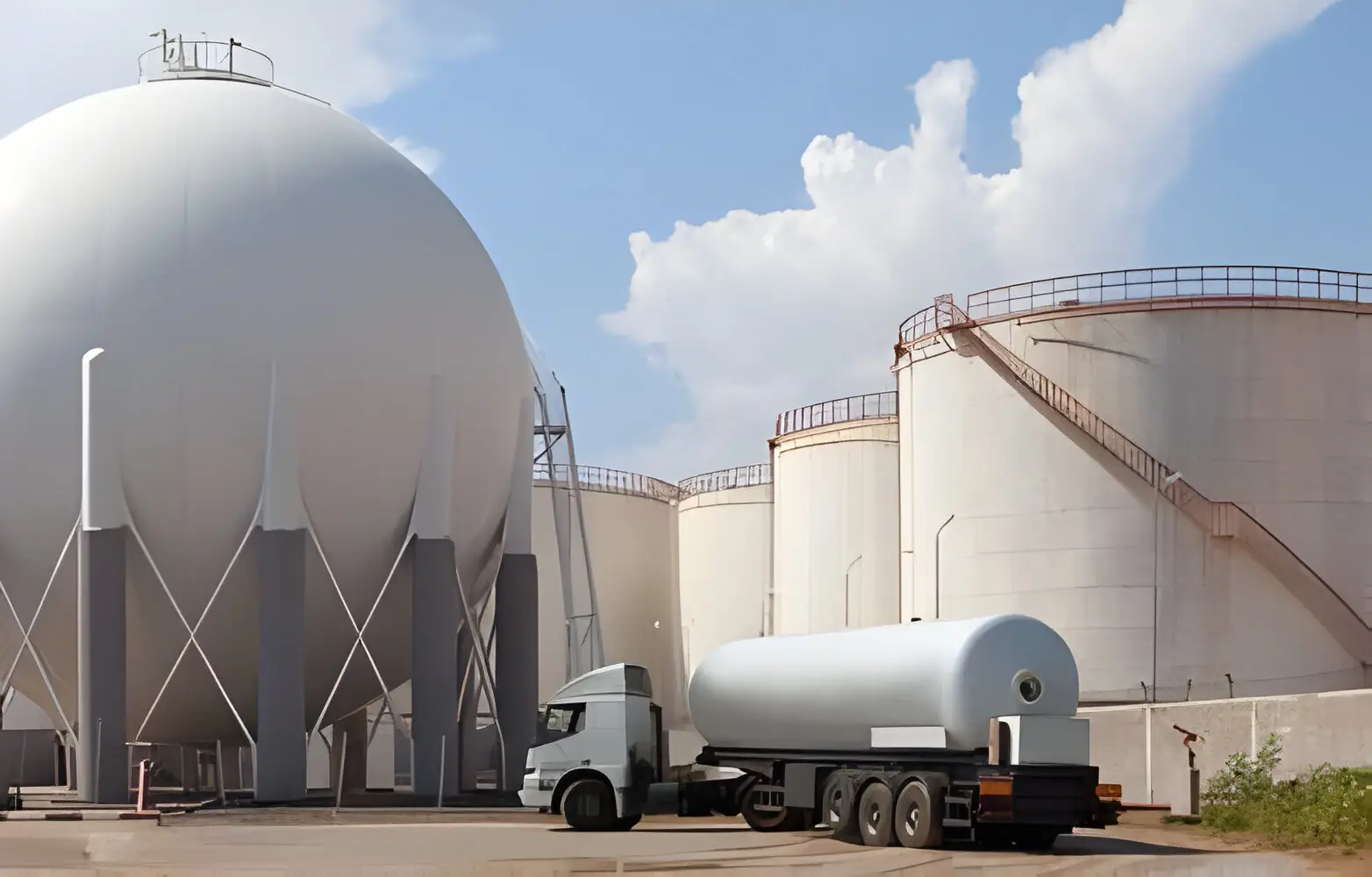
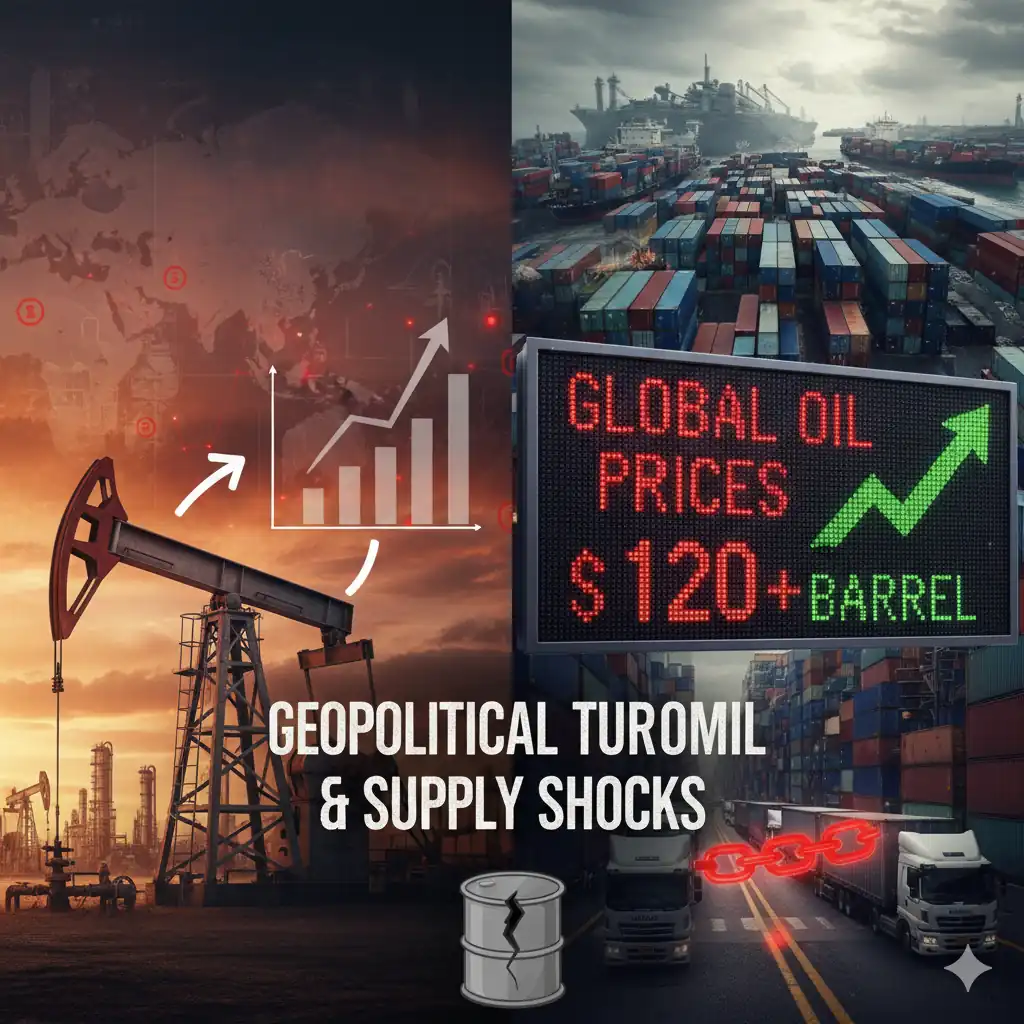
Recent headlines have been dominated by the significant surge in global oil prices, creating ripple effects across industries and economies worldwide. This increase is not a standalone event but rather a complex interplay of various factors, with geopolitical tensions and persistent supply chain disruptions standing out as primary drivers. Conflicts in key oil-producing regions, coupled with sanctions and shifting international alliances, directly impact the stability and availability of crude oil on the global market. Traders react swiftly to any perceived threat to supply, pushing prices upwards.
Beyond geopolitics, the lingering effects of global supply chain issues continue to play a crucial role. Bottlenecks in shipping, labor shortages, and increased demand in a post-pandemic recovery phase have all contributed to higher operational costs for extraction, refining, and transportation. This added expense is inevitably passed on to consumers. Analysts are closely watching how these intertwined factors evolve, as sustained high oil prices can fuel inflation, impact consumer spending, and potentially slow down global economic growth. The volatility underscores the delicate balance of the international energy market and the profound influence of non-economic factors on commodity prices.